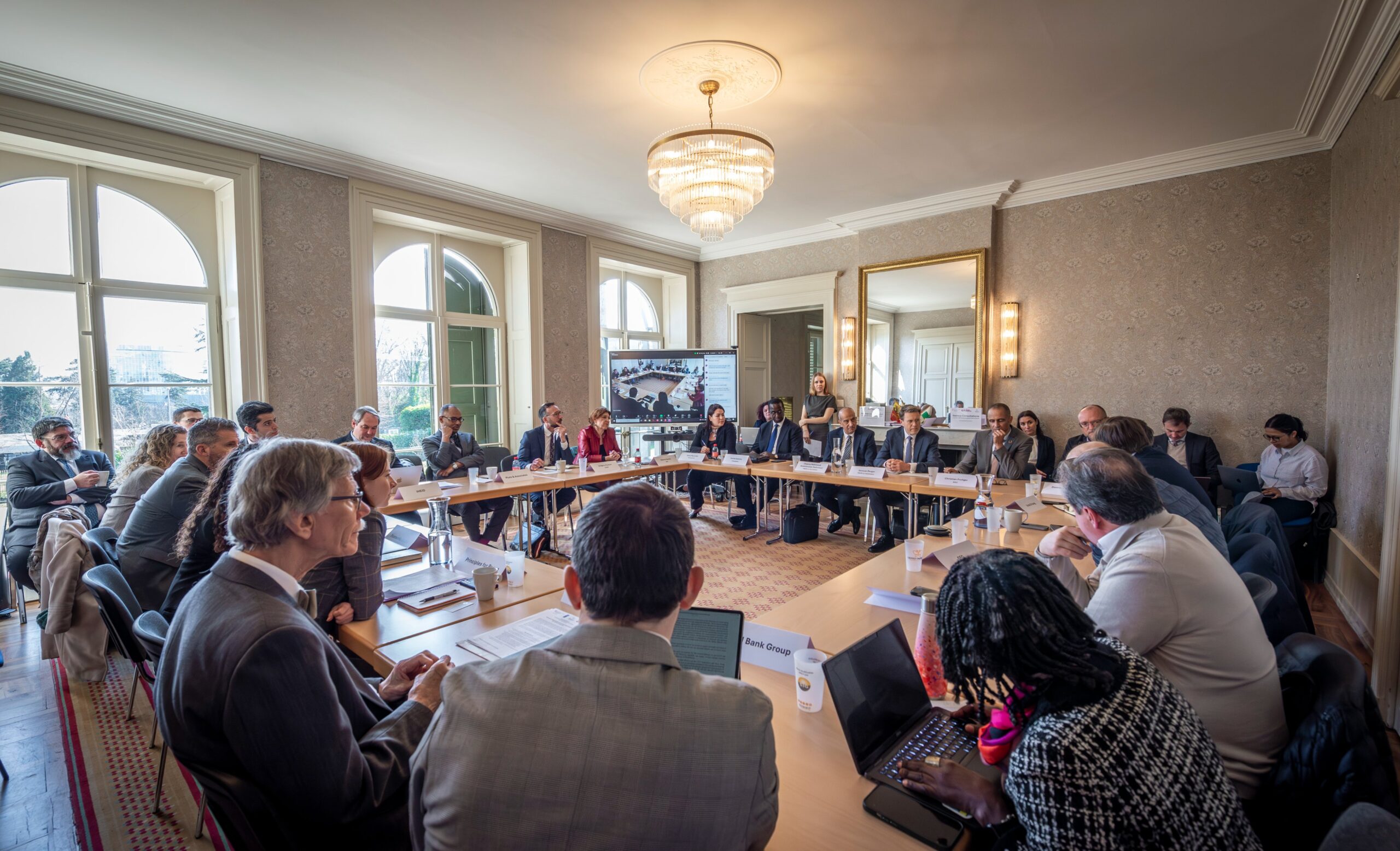
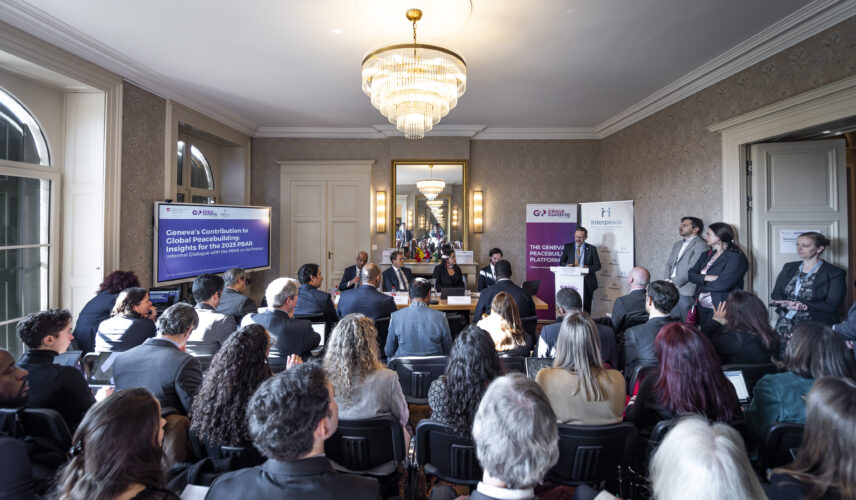
On the occasion of the start of the formal phase of the 2025 review of the UN Peacebuilding Architecture (PBAR), the Geneva Peacebuilding Platform (GPP) and Interpeace, in cooperation with the Swiss Federal Department of Foreign Affairs (FDFA), convened the Geneva Consultations on 14 February 2025. The event brought together representatives from Geneva-based international organisations, civil society, the private sector, academia, and permanent missions for action-oriented discussions with the 2025 PBAR’s two co-facilitators, H.E. Osama Mahmoud Abdelk
The Geneva Consultations aimed to translate policy recommendations developed during the informal phase of the Review into concrete proposals and possible language for the General Assembly and Security Council resolutions that will conclude the process.
The Consultations also formed part of broader efforts to bridge the gap between New York-based policy processes and the wealth of peacebuilding experience and expertise housed in Geneva. With its ecosystem of permanent missions, international organisations, NGOs, research institutions, and private actors, Geneva continues to play a vital role in advancing inclusive and effective peacebuilding.
1. The constructive role of Human Rights in peacebuilding: Co-hosted by the Geneva Peacebuilding Platform (GPP), Geneva Academy, and UNU‑CPR, this session reframed human rights as central to peacebuilding—not separate from, but integral to sustaining peace. Participants emphasised the necessity for practical human rights initiatives and institutional coordination to realise commitments already made in UN resolutions and instruments.
2. The contribution of investment and the private sector to peacebuilding: Facilitated jointly by Interpeace, the Swiss Agency for Development and Cooperation (SDC), and UNDP, this dialogue called on the 2025 PBAR to better engage the private sector in peacebuilding financing. The conversation underscored the need for the UN and Member States to explore innovative mechanisms and partnerships that increase coherence, impact, and inclusion of private capital, especially in fragile and conflict-affected countries.
Across both formats, participants affirmed the urgency of raising ambitions within the UN peacebuilding architecture—calling for stronger cross-pillar cooperation, more inclusive and collaborative approaches, and overcoming political and financial constraints. The recently adopted Pact for the Future provides a rare opportunity to consolidate this momentum and place people and impact at the heart of peacebuilding reform.